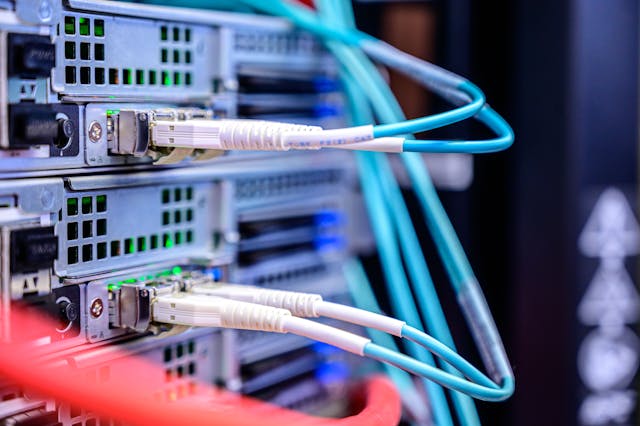
If you’ve been researching the best dedicated server hosting 2014, you’re probably curious how those early top providers shaped the dedicated hosting industry we know now. Back in 2014, performance, uptime, and customer support were already the main factors that determined who stood out. Hosting companies started to focus on enterprise‑grade hardware, improved network speeds, and global data center expansion. For a closer look at how modern services evolved from those foundations, you can explore more insights and comparisons at Best Dedicated Web Hosting Server.
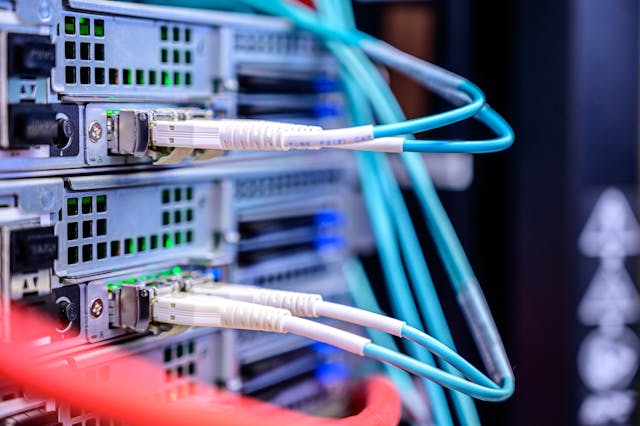
Why Dedicated Server Hosting Was a Game Changer in 2014
In 2014, businesses began realizing that shared hosting could no longer support the growing demands of eCommerce, streaming, and data‑heavy websites. Dedicated servers offered complete resource control and unmatched reliability. Enterprises could finally choose hardware configurations tailored to their workloads instead of struggling with shared resources. This shift marked a milestone: full customization, dedicated IPs, and root access became standard premium features for serious developers and organizations.
The Core Features That Defined the Best Providers
When it came to best dedicated server hosting 2014, the standout providers were the ones that could ensure guaranteed uptime above 99.9 percent and deliver strong security backed by advanced DDOS protection and managed firewalls. Another hallmark was scalability. Top hosts allowed clients to easily upgrade RAM, storage, or bandwidth without downtime. Advanced monitoring tools also emerged, giving users real‑time server insights that made performance management easier than ever.
How Dedicated Servers Have Evolved Since Then
Today’s dedicated servers build on everything that began around 2014. You now get options for hybrid infrastructure, combining dedicated machines with cloud flexibility. SSD storage replaced traditional HDD setups, dramatically increasing read and write speeds. Automation also plays a larger role, helping users deploy servers within minutes instead of hours. The commitment to high performance has stayed consistent, but the technology behind it has become smarter, faster, and more energy efficient.
Security and Data Integrity Then and Now
Back in 2014, dedicated hosting providers started focusing heavily on security, offering hardware‑level firewalls and managed monitoring. That move has continued evolving, with modern systems featuring AI‑driven intrusion detection and security audits. Though the term best dedicated server hosting 2014 might sound dated, the concept behind it—complete control over your data and infrastructure—remains just as relevant in today’s world of remote business operations and cybersecurity challenges.
Lessons from 2014 for Choosing a Host Today
If you’re choosing a dedicated server today, look for the qualities that made providers successful back in 2014: transparency, responsive support, and customizable configurations. Always consider where the data centers are located, what service level agreements guarantee, and whether the provider offers managed or unmanaged options. A reliable provider allows you to adjust server specs as your needs evolve without compromising on performance or uptime.
Reflecting on the best dedicated server hosting 2014 gives valuable lessons for today’s hosting landscape. The fundamentals have not changed: consistent uptime, strong security, and dedicated resources remain the backbone of professional hosting. The main difference is the technology has matured, offering faster connectivity and better automation. Whether you’re running enterprise software, hosting an application, or building a media‑rich website, having a solid dedicated hosting foundation ensures your business runs smoothly and securely in a fast‑changing digital world.


Leave a Reply
You must be logged in to post a comment.