
When your website outgrows shared hosting, it’s time to explore dedicated web hosting server solutions. Whether you’re running a high-traffic e-commerce site, managing enterprise applications, or need maximum control over your hosting environment, choosing the right dedicated server provider can make all the difference.
In this comprehensive guide, we’ll explore what makes the best dedicated web hosting server solutions stand out and help you make an informed decision for your business needs.
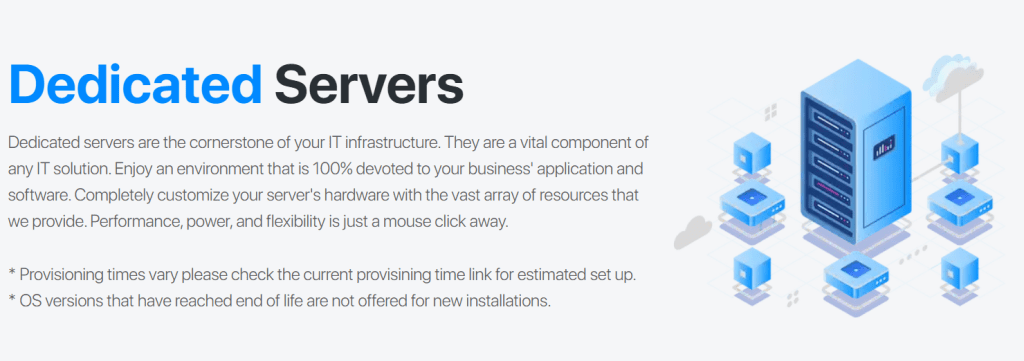
What is a Dedicated Web Hosting Server?
A dedicated web hosting server is a physical server exclusively reserved for your website or application. Unlike shared hosting where multiple websites share server resources, a dedicated server provides complete control, enhanced security, and all available processing power for your use alone.
This hosting solution is ideal for businesses that require superior performance, heightened security measures, and full administrative control over their server environment.
Why Choose Dedicated Server Hosting?
Unmatched Performance and Speed
When you invest in the best dedicated web hosting server, you’re investing in raw computing power. With dedicated resources including CPU, RAM, and storage, your website experiences consistently fast loading times even during traffic spikes. This performance advantage directly impacts user experience, search engine rankings, and conversion rates.
Enhanced Security Measures
Security is paramount for any online business. Dedicated servers offer enterprise-level protection including advanced DDoS mitigation, hardware firewalls, and complete isolation from other users. You’re not sharing server space with potentially compromised websites, reducing security vulnerabilities significantly.
Complete Control and Customization
Full root access means you can install custom software, configure server settings precisely to your needs, and optimize performance according to your specific requirements. This level of control is impossible with shared or even many VPS hosting solutions.
Scalability for Growing Businesses
As your business grows, your dedicated server can grow with you. Most providers offer flexible upgrade paths, allowing you to increase RAM, storage capacity, and processing power without migrating to a completely new infrastructure.
Key Features of the Best Dedicated Web Hosting Server Solutions
Enterprise-Grade Hardware
Top-tier dedicated hosting providers equip their servers with cutting-edge technology. Look for offerings that include powerful processors like AMD RYZEN or Intel Xeon, substantial RAM starting from 64GB, and high-performance SSD or NVMe storage options.
Unlimited or Generous Bandwidth
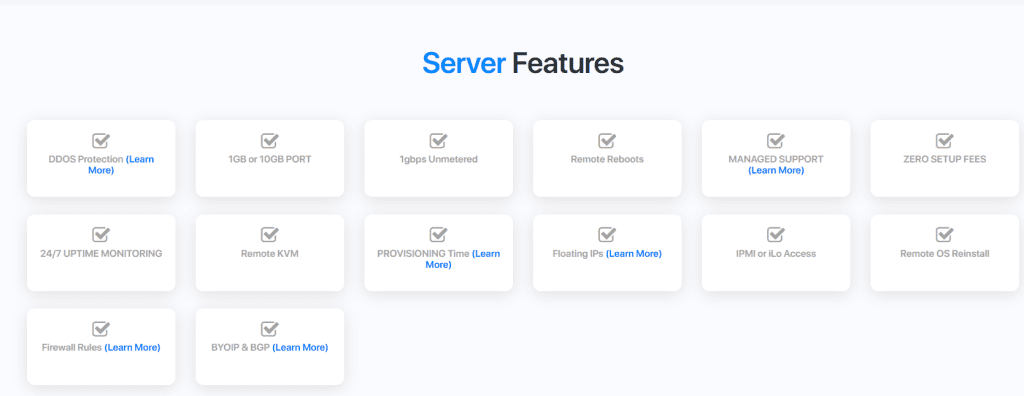
High-traffic websites need substantial bandwidth. The best dedicated web hosting server solutions typically include unmetered bandwidth on 1Gbps connections, ensuring your site remains accessible regardless of visitor volume.
Comprehensive Management Options
While some businesses prefer full control, others benefit from managed services. Quality providers offer both self-managed and fully managed dedicated hosting options, with expert technicians handling server maintenance, security updates, and monitoring.
Rapid Deployment
Time is money in the digital world. Leading dedicated server providers can deploy standard configurations within minutes to a few hours, getting your business online quickly without lengthy setup periods.
24/7 Expert Support
Technical issues don’t follow business hours. Round-the-clock support from knowledgeable professionals ensures problems are resolved quickly, minimizing potential downtime and revenue loss.
Technical Specifications to Consider
When evaluating dedicated web hosting server solutions, pay attention to these critical specifications:
Processor Options: Look for modern multi-core processors. AMD RYZEN 5600X or Intel Xeon D-1541 and higher offer excellent performance for most applications.
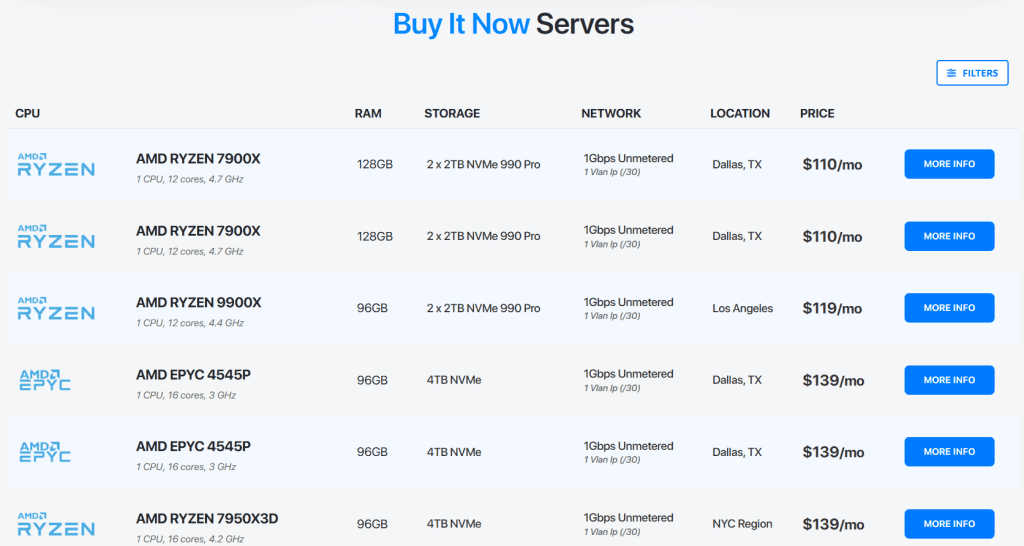
Memory Capacity: Starting configurations should offer at least 64GB RAM, with options to expand to 512GB or more for demanding applications.
Storage Solutions: NVMe SSDs provide the fastest performance, while traditional SSDs offer a balance of speed and capacity. Consider your data storage needs carefully.
Network Connectivity: A minimum 1Gbps unmetered connection ensures your site can handle substantial traffic without throttling.
Operating System Choices: Flexibility is key. Top providers support various OS options including CentOS, Ubuntu, Debian, and Windows Server editions.
Control Panel Access: User-friendly control panels like DirectAdmin, cPanel/WHM, or Plesk simplify server management, especially for teams without extensive technical expertise.
Who Benefits Most from Dedicated Server Hosting?
High-Traffic Websites and Portals
Websites serving millions of monthly visitors require the robust infrastructure that only dedicated servers provide. Content-heavy sites, news portals, and popular blogs benefit from dedicated resources ensuring consistent performance.
E-commerce Platforms
Online stores handling sensitive customer data and processing numerous transactions need enhanced security and reliable performance. Dedicated hosting provides the stable environment necessary for maintaining customer trust and maximizing sales.
Enterprise Applications
Mission-critical business applications, complex databases, and custom software solutions demand dedicated resources. Shared hosting environments simply cannot provide the processing power and memory capacity these applications require.
Development and Testing Environments
Software development teams need flexible environments where they can test applications, install custom tools, and experiment without affecting production systems. Dedicated servers offer the isolation and control developers need.
Gaming Servers
Online gaming communities require low latency, high uptime, and powerful processing capabilities. Dedicated servers deliver the performance gamers expect for smooth, lag-free experiences.
Cost Considerations for Dedicated Hosting
While dedicated servers represent a significant investment compared to shared hosting, the value proposition is compelling. Entry-level dedicated server plans typically start around $70-100 monthly, offering enterprise-grade hardware and features previously accessible only to large corporations.
When evaluating cost, consider these factors:
- Initial Setup Fees: Some providers charge setup fees, while others offer free deployment
- Management Level: Fully managed services cost more but save technical resources
- Upgrade Flexibility: Understand the costs associated with scaling your resources
- Contract Terms: Longer commitments often secure better pricing
- Included Features: Compare what’s included in the base price versus add-on costs
The investment in dedicated hosting often pays for itself through improved site performance, better search rankings, increased conversions, and reduced security risks.
How to Choose the Best Dedicated Web Hosting Server Provider
Evaluate Hardware Quality
Don’t compromise on hardware specifications. Research the actual components providers use, not just marketing specifications. Current-generation processors and SSD storage should be standard, not premium upgrades.
Assess Support Quality
Test support responsiveness before committing. Reach out with technical questions and evaluate response times and expertise. Quality support can mean the difference between minutes and hours of downtime.
Review Security Features
Verify what security measures are included by default. DDoS protection, hardware firewalls, and regular security updates should be standard features, not costly add-ons.
Check Uptime Guarantees
Look for providers offering at least 99.9% uptime guarantees backed by service level agreements. Uptime directly impacts your revenue and reputation.
Read Customer Reviews
Real user experiences reveal provider strengths and weaknesses. Look beyond star ratings to understand common praise and complaints from actual customers.
Test Network Performance
If possible, test network speed and latency to the provider’s data centers. Geographic proximity to your target audience can significantly impact site performance.
Migrating to a Dedicated Server
Transitioning from shared or VPS hosting to a dedicated server requires careful planning:
- Backup Everything: Create complete backups of all websites, databases, and configurations before beginning migration
- Plan Minimal Downtime: Schedule migrations during low-traffic periods to minimize business impact
- Test Thoroughly: Set up the new dedicated server completely and test all functionality before switching DNS
- Update DNS Records: Once testing is complete, update DNS records to point to your new server
- Monitor Performance: Watch server performance closely for the first few days, adjusting configurations as needed
Many providers offer free migration assistance, making the transition smoother and less risky.
Optimizing Your Dedicated Server Performance
Once your dedicated server is operational, implement these optimization strategies:
Configure Caching
Implement server-level caching with tools like Varnish or Redis to dramatically improve response times for dynamic content.
Enable Content Delivery Networks
CDNs distribute content globally, reducing server load and improving load times for international visitors.
Optimize Database Performance
Regular database optimization, proper indexing, and query optimization prevent database bottlenecks from slowing your applications.
Implement Monitoring
Set up comprehensive monitoring to track server performance, resource usage, and potential issues before they impact users.
Regular Security Audits
Schedule regular security assessments to identify and address vulnerabilities before they’re exploited.
Common Dedicated Server Mistakes to Avoid
Undersizing Resources: Don’t purchase the minimum configuration if your needs are likely to grow. Upgrading later can be complex and costly.
Neglecting Security: Default configurations are rarely optimal for security. Implement proper firewall rules, disable unnecessary services, and maintain regular security updates.
Skipping Backups: Never rely solely on your hosting provider for backups. Implement your own backup strategy with off-site storage.
Ignoring Monitoring: Without proper monitoring, you won’t know when problems occur until users complain or systems fail.
Poor Documentation: Document your server configurations, customizations, and procedures. This saves time during troubleshooting and makes team transitions smoother.
The Future of Dedicated Server Hosting
As technology evolves, dedicated server hosting continues advancing:
Increased Automation: Management tools are becoming more sophisticated, making dedicated servers accessible to broader audiences.
Better Integration: Dedicated servers now integrate seamlessly with cloud services, offering hybrid solutions combining dedicated power with cloud flexibility.
Enhanced Security: New security technologies provide even better protection against evolving threats.
Improved Performance: Next-generation processors and storage technologies continue pushing performance boundaries.
Greener Solutions: Energy-efficient hardware and renewable energy data centers make dedicated hosting more environmentally sustainable.
Frequently Asked Questions
How is dedicated hosting different from cloud hosting?
Dedicated hosting provides a physical server exclusively for your use, offering predictable performance and costs. Cloud hosting uses virtualized resources across multiple physical servers, offering more flexibility but potentially variable performance. Each has advantages depending on your specific needs.
Can I upgrade my dedicated server without downtime?
Some upgrades like adding storage or adjusting bandwidth can occur without downtime. Major hardware changes typically require brief service interruptions. Quality providers minimize downtime through careful planning and rapid deployment procedures.
Do I need technical expertise to manage a dedicated server?
Self-managed dedicated servers require technical knowledge, but most providers offer managed services handling technical aspects for you. Control panels also make server management more accessible to non-technical users.
What backup options are available with dedicated hosting?
Most providers offer automated backup services as add-ons. However, implementing your own backup strategy provides additional security. Consider multiple backup methods including on-server backups, remote backups, and cloud backup solutions.
How secure are dedicated servers?
Dedicated servers are inherently more secure than shared hosting due to complete isolation from other users. However, security also depends on proper configuration, regular updates, and active monitoring. Managed security services can handle these aspects for you.
Conclusion: Investing in the Best Dedicated Web Hosting Server
Choosing the best dedicated web hosting server solution is a strategic business decision that impacts performance, security, scalability, and ultimately your bottom line. While the investment is substantial compared to shared hosting, the benefits of dedicated resources, enhanced security, and complete control make it worthwhile for businesses that have outgrown basic hosting options.
When evaluating providers, prioritize hardware quality, support responsiveness, security features, and scalability options. Consider your current needs while planning for future growth. The right dedicated server partner grows with your business, providing the foundation for online success.
Whether you’re launching a high-traffic e-commerce platform, hosting enterprise applications, or managing resource-intensive websites, dedicated server hosting delivers the performance and reliability your business deserves. Take time to research options thoroughly, test support quality, and choose a provider aligned with your long-term business goals.
Ready to experience the power of dedicated hosting? The investment in your infrastructure is an investment in your business’s future success.
Leave a Reply
You must be logged in to post a comment.