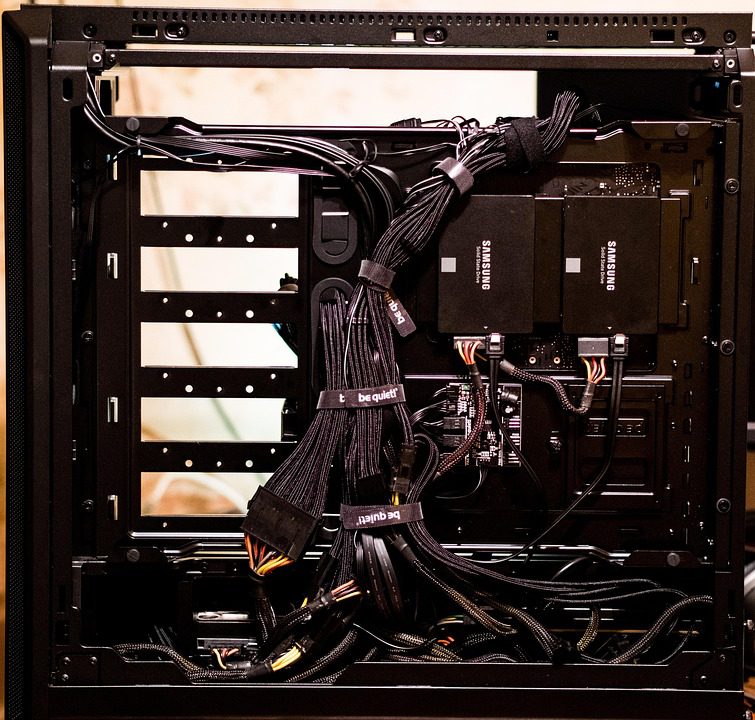
In the realm of web hosting, dedicated server hosting stands out as the premier choice for businesses and individuals requiring unparalleled performance, security, and control. This guide will explore the best dedicated server hosting companies, helping you make an informed decision for your hosting needs.
Read MoreGame Server Benchmarks That Predict TPS: Single-Thread Share, Memory Bandwidth and Scheduler Latency
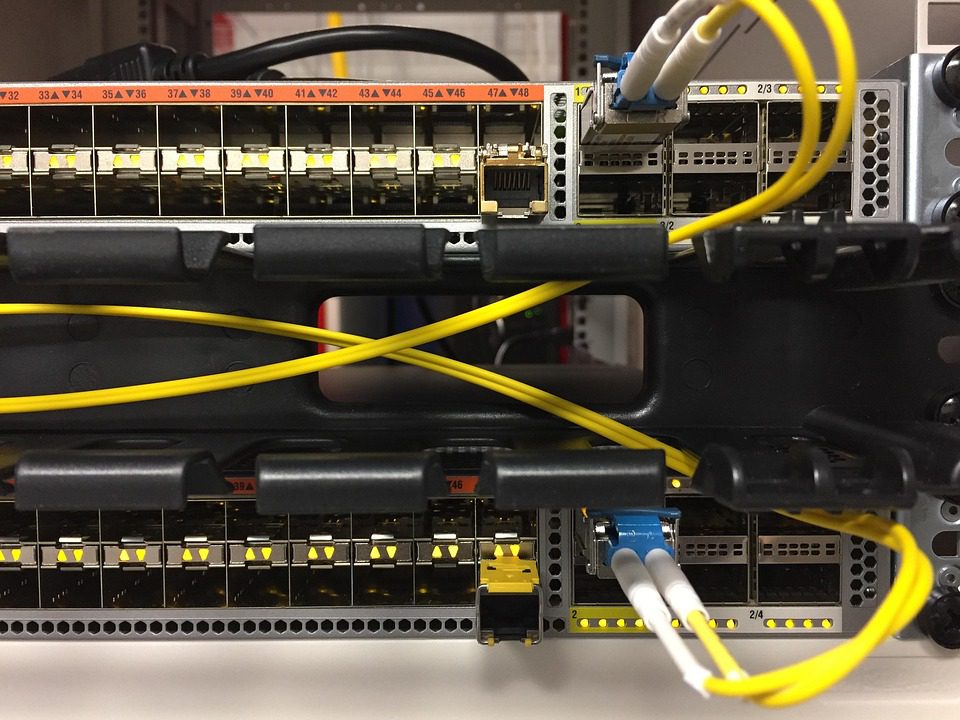
Game-server benchmark charts are usually built from workloads that look nothing like a tick loop. Cinebench saturates every thread, CrystalDiskMark measures sequential throughput, and network tests run on an idle…
Read MoreGame Server Sizing Limits at 50, 100 and 200 Players: Where CPU, RAM and NVMe Run Out
At 50 concurrent players a survival server needs roughly 2.5 GHz of genuinely available single-core performance, 6–8 GB of resident memory and sub-1 ms NVMe write latency. At 100 players…
Read MoreAcceptance Testing a New Game Node in 30 Minutes: Seven Checks That Prove It
Check 6: Thermal and clock stability under sustained load Short benchmarks hide throttling. Run a sustained all-core load for several minutes and sample clock frequency and package temperature throughout. A…
Read MoreNIC, Switch Buffer and IRQ Tuning for Game Servers
Port speed is not the constraint in game hosting. Packet rate, receive queues, interrupt placement and port buffer depth decide whether ticks stay clean.
Read MoreDedicated Gaming Server Benchmark Thresholds: CPU, NVMe and Network
Dedicated server hosting is a type of web hosting where an entire server is leased to a single client. This means that all the resources of the server—CPU, RAM, storage, and bandwidth—are dedicated solely to that client.
Read MoreGame Server Host Spec Scorecard: Five Fields That Decide Performance
CPU clock, memory channels, storage endurance, network commit and DDoS scrubbing capacity decide a game server purchase. A five-field score sheet.
Read More